



 Popular Categories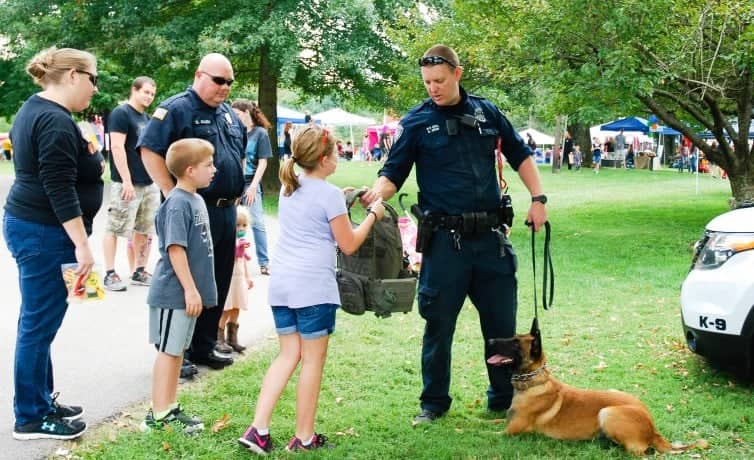
5 Ways Officers Can Build Stronger Community Connections Beyond the Badge
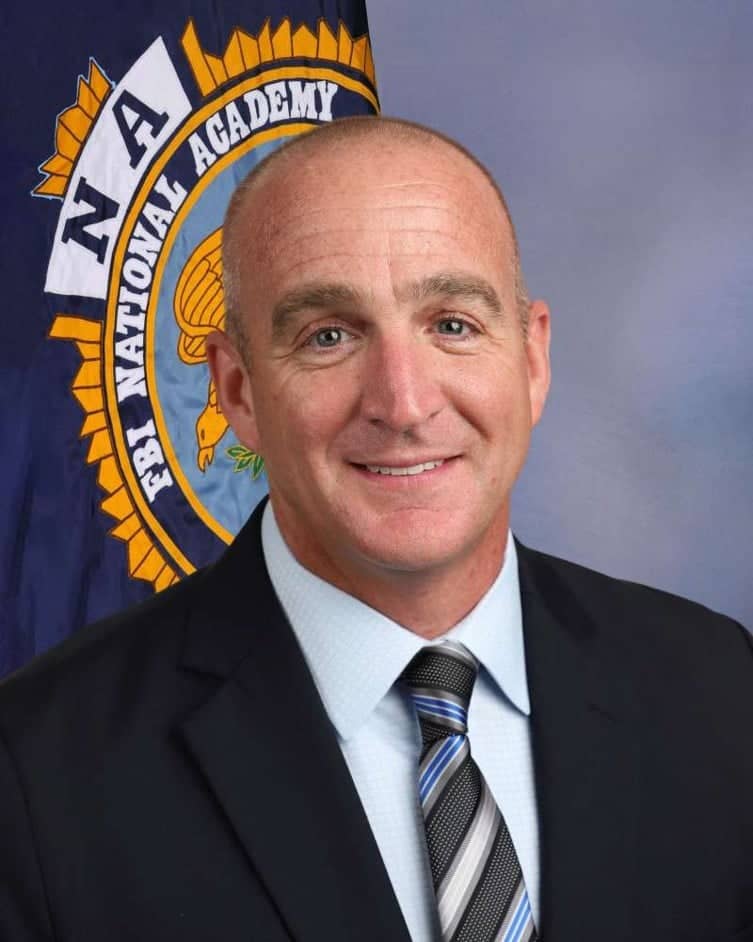
Throughout my career in law enforcement, I’ve learned a fundamental truth that I believe every officer needs to understand: effective law enforcement isn’t built solely on enforcement actions. It’s built on trust, understanding, and genuine connections with the communities we serve. The most successful police departments and individual officers are those who have discovered that stepping out from behind the badge to engage with residents creates deeper community bonds, improves public cooperation, and makes neighborhoods safer for everyone.
I’ve always believed that the first time someone really gets to know one of their police officers shouldn’t be when something bad has happened. We need to build those relationships when nobody is calling 911, nobody is getting a ticket, and nobody is in crisis. That’s when real trust gets established.
In an era where police-community relations face challenges in many jurisdictions, proactive community engagement has become more important than ever. Research consistently shows that strong police-community relationships lead to increased reporting of crimes, better cooperation during investigations, and greater support for officers during critical incidents. But beyond the statistics, there’s something fundamentally human about these connections that matters.
Whether you’re a patrol officer in a small town or work in a major metropolitan police department, building authentic connections with the people in your community doesn’t require a specialized degree or extensive resources. It requires genuine interest, consistency, and a willingness to show up as a person first and a law enforcement professional second. The good news? There are numerous established programs—from Coffee With a Cop to National Night Out to Citizens Police Academies—that provide proven frameworks for community engagement.
In this guide, I want to share five practical, actionable ways that you can deepen your community connections and establish yourself as a trusted member of your neighborhood—beyond the traditional police badge and patrol car.
1. Participate in Community Police Events and Initiatives
Connecting Over Community and Conversation
One of the most accessible yet profoundly effective ways to build community connections is participating in organized police-community events. These programs—from casual coffee meetups to structured community activities—provide low-pressure environments where officers and community members can interact as regular people rather than in the context of a police call or enforcement action.
Coffee With a Cop: My Experience
Coffee With a Cop is a grassroots national initiative that I believe represents something special: simply a chance for cops and the people they serve to sit down, have a cup of coffee, and get to know each other. I’ve participated in many of these events, and I can tell you they work in ways that formal community meetings simply cannot replicate.
I don’t know of any single conversation from Coffee with a Cop events that stands out more than the others. Some people came with a question or concern, but many just wanted to talk. We talked about their kids, our community, things going on in the neighborhood, and sometimes absolutely nothing related to policing. I always enjoyed that. It gave people a chance to see us as regular people, and it gave us a chance to get to know the people we were serving in a completely different setting.
The beauty of this program lies in its simplicity: no agendas, no presentations, no pressure to solve problems or justify department policies. Just officers and community members getting to know each other as human beings. That matters tremendously.
Why Coffee with a Cop Works
When I think about why Coffee with a Cop is so effective at strengthening relationships and trust, it comes down to timing. I’ve always believed that these conversations need to happen when nobody is calling 911, nobody is getting a ticket, and nobody is in crisis. You’re just sitting across the table from each other having a conversation. Then, when something does happen in the community, hopefully there’s already familiarity and trust built in. That foundation changes everything.
How to maximize Coffee With a Cop participation:
- Show up consistently. Attend events regularly, ideally the same location and time, so community members come to recognize and expect you. Consistency builds familiarity.
- Listen more than you talk. Ask residents about their concerns, experiences, and what they appreciate about their neighborhood. People want to be heard.
- Dress in a way that feels approachable. While maintaining professionalism, consider how you can present yourself in a slightly less formal manner to reduce intimidation factors.
- Share something personal. Talk about your family, your hobbies, your reason for becoming an officer—help people see you as a whole person, not just a uniform.
- Follow up on concerns raised. If someone mentions a specific neighborhood issue, circle back to them later with updates or information. Follow-through demonstrates genuine care.
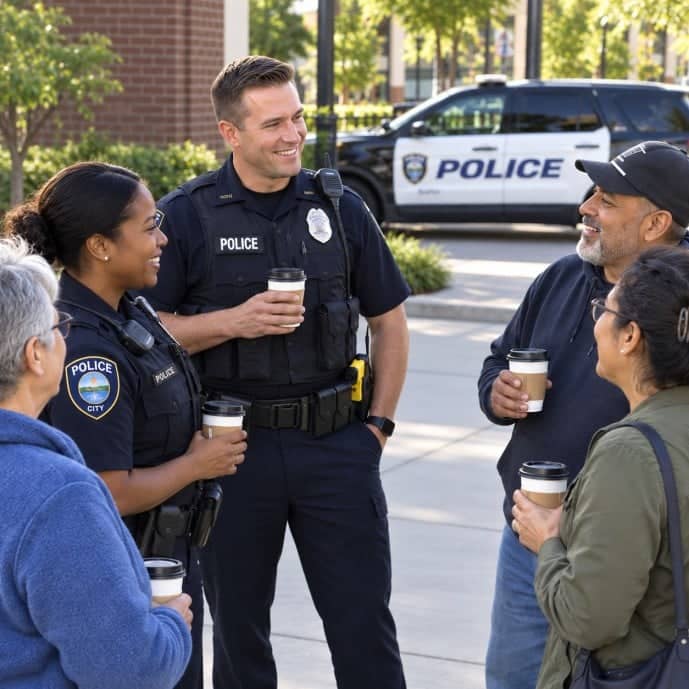
For more information about starting or participating in Coffee With a Cop events in your area, visit coffeewithacop.com, where you can find events near you or learn how to organize one in your patrol area.
Walk With a Cop
Walk With a Cop is a nationwide program that I’ve come to appreciate for its simplicity and effectiveness. These walks bring officers through neighborhoods alongside community members in a relaxed, non-enforcement context. They’re typically conducted during daytime hours in nice weather, and they serve multiple purposes: residents get face-to-face interaction with officers, we as officers gain intimate knowledge of neighborhood concerns and geography, and communities see visible police presence focused on community relationship-building rather than enforcement.
When I lead or participate in these walks, I’m focused on:
- Identifying and documenting neighborhood safety concerns that residents bring up
- Listening genuinely to residents about their experiences and worries
- Gathering information about homeless populations or vulnerable residents who might need resources
- Building familiarity with neighborhood layouts and dynamics
- Creating opportunities for informal mentoring and conversation as we walk
- Demonstrating my commitment to being part of the community, not just patrolling it
These walks remind me that community policing doesn’t have to be complicated. Get out of the cruiser. Talk to people. Let them ask questions. Let them get to know you. And just as importantly, get to know them.
National Night Out
National Night Out is one of the largest community-police partnership events in the nation, held annually on the first Tuesday in August. I’ve always seen this as one of those distinctive summer community gatherings where neighbors come together with police for an evening of interaction, education, and family-friendly activities. It’s specifically designed to strengthen relationships between residents and police while promoting community engagement and crime prevention awareness.
When I’ve participated in National Night Out events, I’ve found that we can make a real impact by:
- Setting up booths in neighborhoods with information and giveaways
- Organizing or helping coordinate local block parties and gatherings
- Demonstrating police equipment and vehicles so community members understand what we do
- Speaking with residents about community safety concerns in a relaxed setting
- Bringing police dogs or other specialized units for community education and interaction
- Simply walking neighborhoods and greeting residents informally throughout the evening
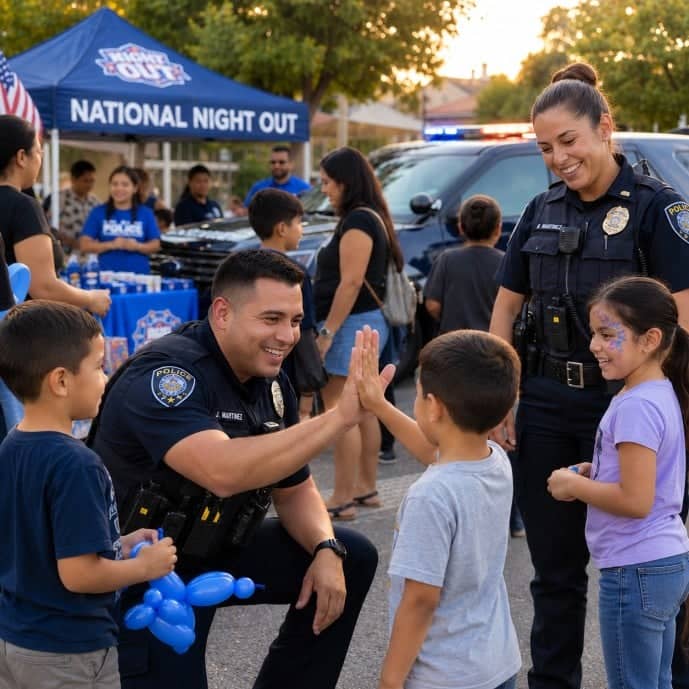
The informal nature of National Night Out creates opportunities for extended conversations and genuine relationship-building that formal police meetings simply don’t allow.
Citizens Police Academy and Police Tours
Citizen Police Academies are structured multi-week programs (typically 8-12 weeks) where community members learn about law enforcement operations. I’ve always valued officers who participate in teaching components of these academies because they help demystify police work and build understanding between residents and officers.
These academies typically include:
- Behind-the-scenes tours of police facilities
- Demonstrations of equipment, vehicles, and technology
- Explanations of various police functions and specialties
- Ride-along opportunities
- Q&A sessions with officers and leadership
- Community forums addressing specific concerns
I also recognize that not every department has a formal Citizens Academy, but that shouldn’t stop you. Offering station tours, equipment demonstrations, or “Cop for a Day” shadowing experiences creates similar relationship-building opportunities. I’ve always believed that being part of the community is part of the job, not something separate from it.
Specialty Engagement Events
Beyond the flagship programs, I’ve seen many departments host specialty events that provide unique engagement opportunities. These events work particularly well because they create natural, non-forced interactions:
- Cops and Kids Programs: Basketball games, football matches, or other sports where officers and youth interact competitively and cooperatively in a fun setting
- Cops and Freezer Pops: During hot summer months, officers distribute cold treats and water in neighborhoods, building rapport through simple gestures of care
- Police Read Along: Officers visit schools to read to children, making law enforcement accessible and approachable to young people at a critical developmental stage
- Cops for Christmas: Officers help distribute gifts and assistance to families in need during holidays, showing community members that we care about more than enforcement
- Special Olympics Torch Run: Officers participate in or help organize fundraising runs for Special Olympics, combining fitness with community support
- Neighborhood Watch Events: Partner with organized neighborhood watch groups for regular meetings where you can share crime prevention tips and hear community concerns
Maximizing Event Participation
I’ve learned that regardless of which community events you participate in, certain principles matter:
- Be genuinely present. Put your phone away, make eye contact, and focus on the people you’re talking with. They can tell if you’re authentic.
- Bring other officers. More officers means more one-on-one conversations and community relationships can develop in multiple directions.
- Return to the same events. Consistency builds recognition and trust. People need to see you show up repeatedly.
- Involve specialty units. K-9 officers, community response teams, and other specialties create additional engagement opportunities and break down stereotypes.
- Gather feedback. Use these events to understand what residents care about most. You’ll learn more in these conversations than in any briefing.
- Document and share. Post about events on your department’s social media and community channels. Show the community that you care enough to highlight these connections.
2. Volunteer With Youth Programs and Mentorship Initiatives
Building Tomorrow’s Community Leaders
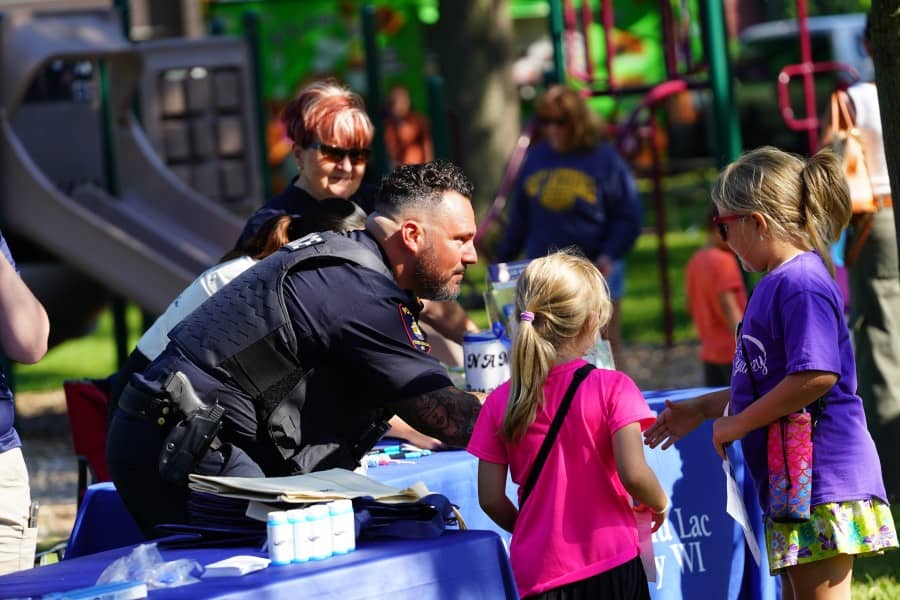
One of the most impactful ways to strengthen community connections—and honestly, one of the most rewarding for me personally—is through direct engagement with young people. Youth in under-resourced neighborhoods often have limited positive role models and may view police primarily through a lens of enforcement. By volunteering with youth programs and taking on mentoring roles, we as officers can reshape these perceptions while making a genuine difference in young lives.
Youth Engagement Opportunities
I’ve found that there are many ways to get involved with young people in your community:
- Police athletic leagues (PALs) - sports programs that bring officers and young people together around athletic competition and team building
- School resource officer (SRO) programs - building relationships while working within educational settings
- Mentorship programs - formal programs that pair officers with young people for ongoing relationships
- After-school programs - coaching, tutoring, or simply being present in youth centers
- Explorer scouts and youth police academies - specialized programs introducing young people to law enforcement careers
The Impact of Officer Mentorship
When we as officers invest time in young people’s lives, the effects ripple far beyond the individual relationships. The young people develop:
- More positive views of police and law enforcement based on actual relationships rather than fear or media narratives
- Greater respect for authority when authority figures have shown them respect
- Access to guidance during critical developmental years from someone who understands their community
- Real-world insight into career possibilities and life paths
- Someone who believes in their potential and their future
For me as an officer, these programs provide invaluable perspective on how young community members view police and what concerns them most. This insight informs how I approach other community interactions and helps me see issues from a resident’s point of view rather than just from a law enforcement perspective.
3. Lead or Participate in Neighborhood Walks and Community Safety Events
Physical Presence, Personal Connections
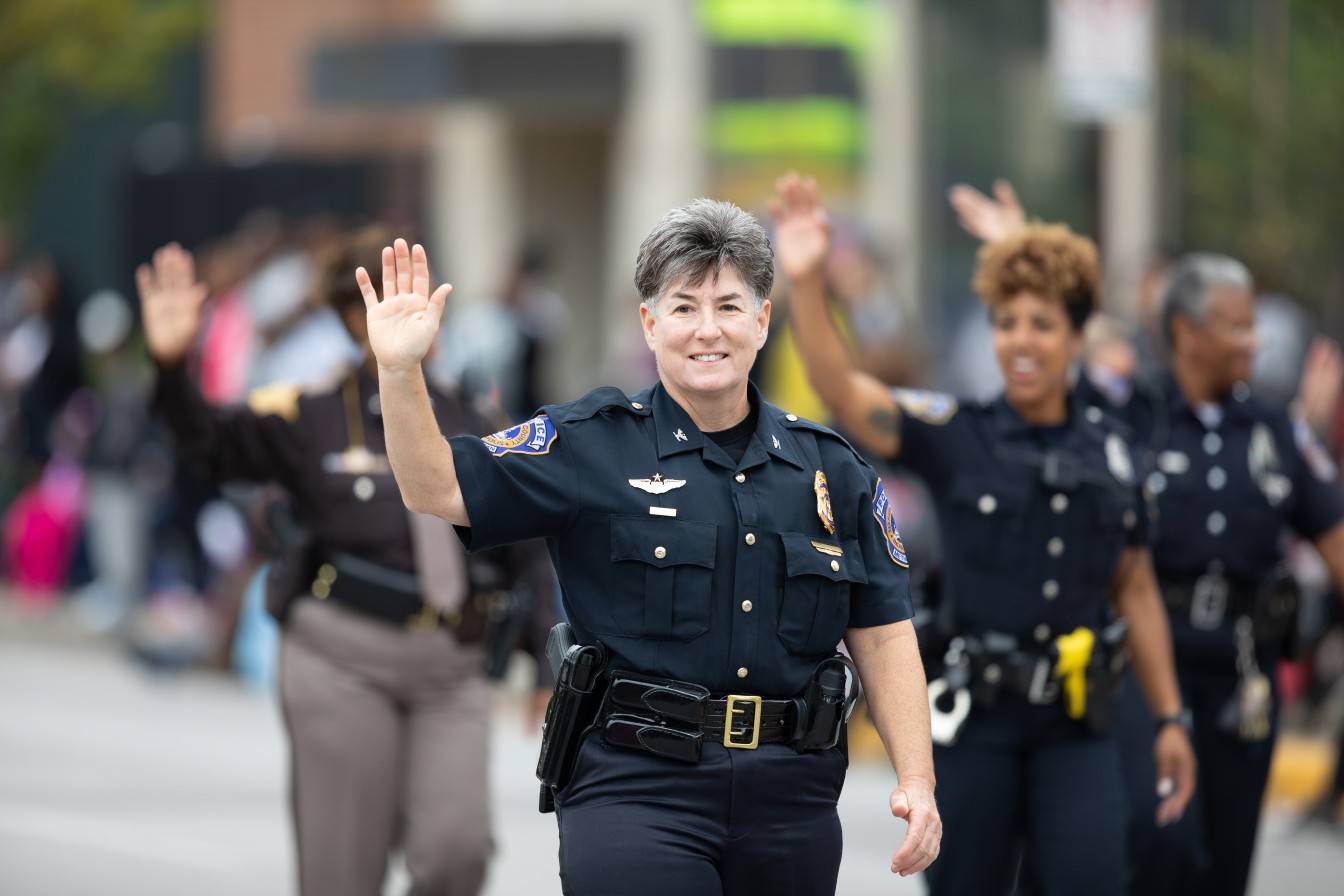
While foot patrols are part of an officer’s regular duties, I’ve learned that transforming patrol time into intentional neighborhood walks and community safety events creates completely different dynamics and opportunities for connection. This means moving beyond the standard police response model to facilitate organized walks that emphasize relationship-building and community safety education.
Organizing Neighborhood Walking Events
I’ve found that effective neighborhood walks typically include:
- Regular scheduled times so residents know when to expect me and can plan to participate
- A clear but informal purpose - a walking safety assessment, seasonal neighborhood awareness, or just casual neighborhood check-ins
- Open invitation to residents of all ages to join me
- Informal conversation as we walk, addressing specific neighborhood concerns that residents raise
- Visible documentation where residents can see that I’m taking notes about potholes, broken streetlights, or safety hazards they’ve mentioned
Community Safety Events
Beyond casual walks, I also organize or participate in larger community safety initiatives:
- National Night Out - the nationwide evening program where neighborhoods gather with police for community building
- Speed enforcement awareness events - in high-accident areas to build understanding
- Home security assessment walks - where I evaluate properties and provide recommendations
- Seasonal safety campaigns - winter storm preparedness, fire prevention, holiday safety awareness
Why This Really Works
Physical presence in neighborhoods signals to residents that I care about their spaces beyond just responding to crimes. These walks open dozens of casual conversations where I learn resident names, hear about concerns informally, and demonstrate that I’m genuinely invested in prevention and community well-being. It’s not about enforcement or citations—it’s about being present and showing that I belong to the community, not that I’m visiting it.
4. Establish Partnerships With Local Businesses and Community Organizations
Expanding Your Network and Influence
I’ve learned that strong community connections extend beyond individual residents to include the organizations, businesses, and institutions that form the backbone of neighborhood stability. By developing partnerships with local businesses, nonprofits, faith organizations, and civic groups, I can amplify my community impact while gaining crucial allies in public safety efforts.
Strategic Partnership Areas
Local Businesses: I partner with coffee shops, convenience stores, restaurants, and retail businesses that serve as neighborhood gathering places. These locations can host community events, provide space for meetings, and often have security footage useful for investigations. The owners and managers become my allies and eyes in the community.
Faith Organizations: Churches, mosques, temples, and synagogues often coordinate community services and have deep trust networks within neighborhoods. When I build relationships with faith leaders, I gain access to resources, better understanding of cultural contexts, and support for community initiatives that reflect the values of the entire neighborhood.
Nonprofit Organizations: Youth centers, homeless services, mental health agencies, and social service organizations frequently interface with vulnerable populations. My partnerships with these organizations create information-sharing opportunities and coordinated response approaches that are more effective than police working in isolation.
Schools: Beyond official SRO roles, I’ve found that building genuine relationships with school staff, counselors, and administrators creates pathways to identify at-risk youth and community needs early—before problems escalate.
Neighborhood Associations: Civic groups and HOAs often organize community events and control communication channels to residents. When I partner with these groups, I expand my reach and gain legitimacy with organized, engaged residents.
Benefits of Strategic Partnerships
I’ve experienced these benefits from developing strong partnerships:
- Increased access to community leaders and networks that I wouldn’t have otherwise
- Enhanced ability to identify emerging problems early before they become crises
- Better understanding of community culture and concerns from the organizations closest to residents
- Opportunities to coordinate resources and responses that are more effective than isolated police action
- Greater community buy-in for police initiatives because they’re community-driven
- Support network during challenging incidents because people understand the context of my work
5. Engage in Authentic Social Media and Community Storytelling
Meeting Residents Where They Are
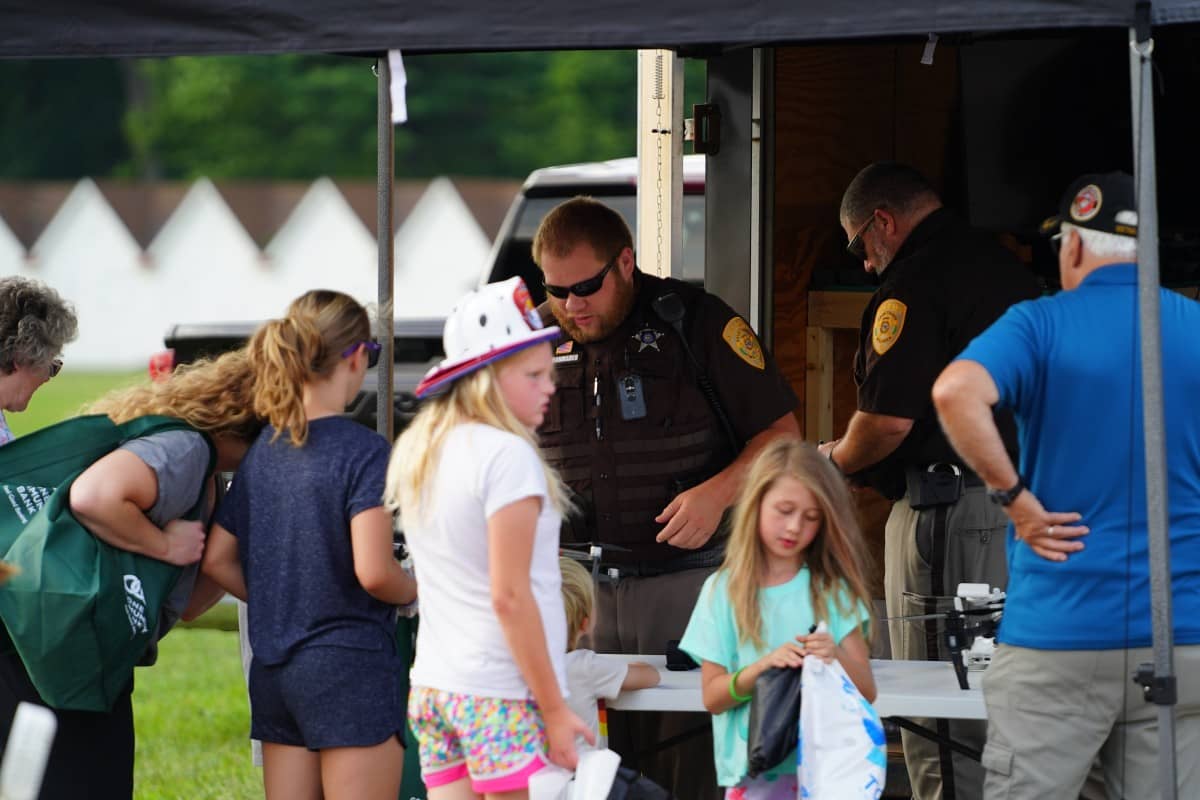
In today’s digital landscape, community connection extends beyond in-person interactions. I’ve found that authentic social media engagement and community storytelling help me humanize myself and police work while providing residents with useful information and positive narratives about law enforcement.
Effective Social Media Engagement
Show my humanity: I share photos and stories that reveal who I am beyond the badge—my family activities, training exercises, community events I attend personally, funny moments from my day. People connect with people, not with uniforms and badges.
Answer community questions: I use platforms to educate residents about police procedures, community safety tips, scam prevention, and neighborhood safety updates. It’s a chance to have conversations at scale.
Highlight positive community members: I regularly feature residents, local heroes, and community volunteers in my social media content, showing that police recognize and appreciate community contributions. This shifts the narrative from crime and enforcement.
Respond to comments: I don’t just broadcast—I actually engage with followers by responding to questions, addressing concerns, and continuing conversations. If someone takes time to comment, they deserve a response.
Share educational content: I post about crime prevention, seasonal safety tips, mental health resources, and community events happening in our area. Information sharing is a form of community care.
Community Storytelling
Beyond social media, I engage in storytelling that humanizes both police and community:
- Attend community meetings where I can share updates and listen to residents’ perspectives and concerns
- Participate in local journalism by speaking to neighborhood blogs and community news outlets about community engagement efforts
- Share my story about why I became a police officer and what I genuinely value about my work and this community
- Document community initiatives through photos, videos, and narratives that show positive engagement and real relationships
The Authenticity Factor
I’ve learned that residents can immediately detect inauthentic engagement. They’ve been marketed to all their lives. The most effective community storytelling comes from genuine investment—sharing real moments, acknowledging real challenges, and showing that I genuinely care about the community’s wellbeing, not just managing police department image. If I’m only showing the sanitized version of policing, I’m doing the community a disservice and missing the whole point of community engagement.
The Compounding Effect of Community Connection
Building stronger community connections is not a one-time initiative or a checkbox exercise in community relations. It’s an ongoing commitment to showing up, listening, and genuinely investing in the neighborhoods and people I serve.
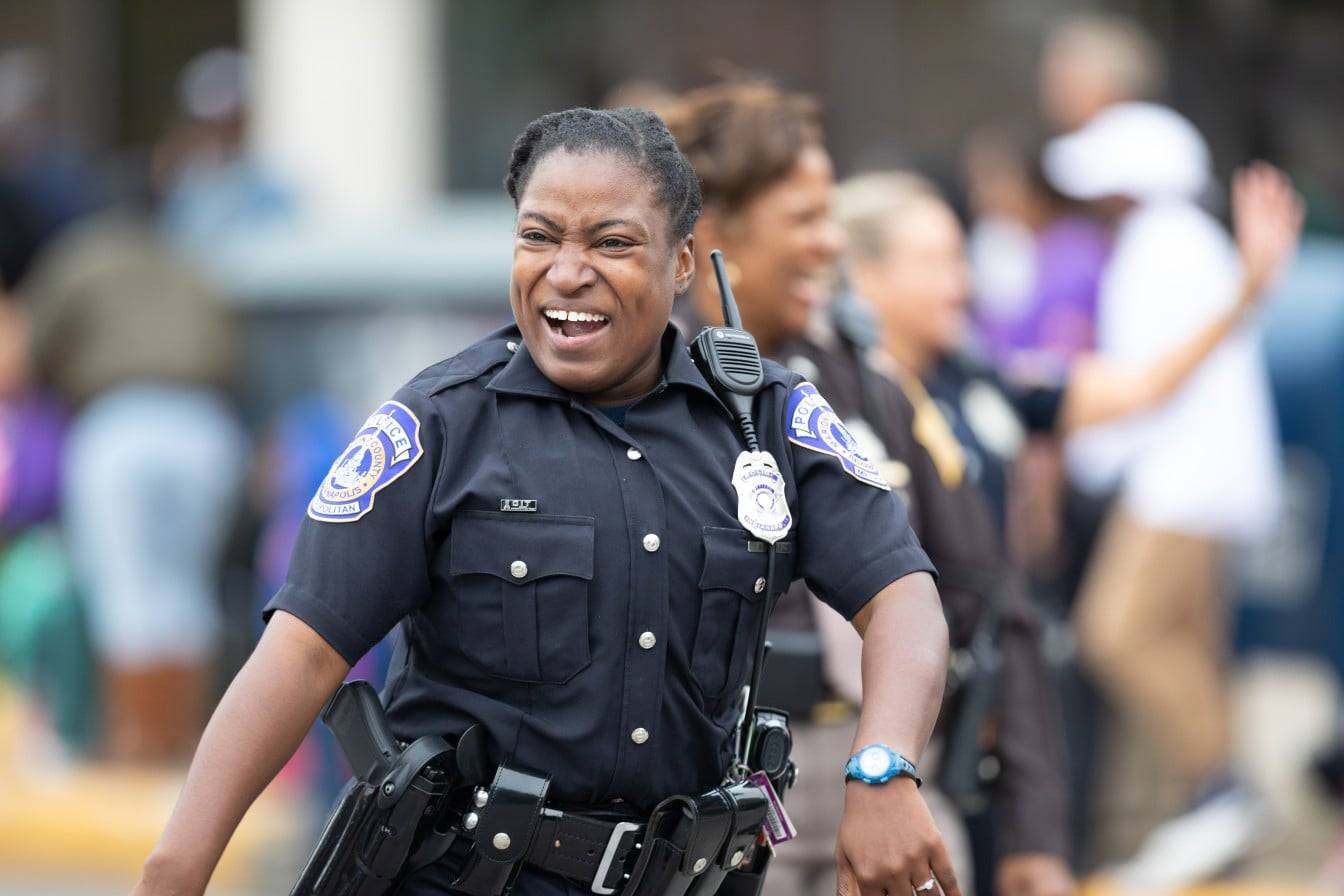
Each interaction—whether it’s a coffee conversation, a mentoring session, a neighborhood walk, a partnership discussion, or a social media response—accumulates to create a community that views law enforcement not as an occupying force but as part of the community fabric. I’ve seen this transformation happen over time in every community where I’ve invested genuine effort.
When I invest in these connections as an officer, real things happen:
- Response times improve because residents are more comfortable calling when they know me and trust me
- Crime reporting increases because people trust that I’ll take their concerns seriously
- Community members become additional eyes and ears for crime prevention because they want to help
- I receive community support during challenging situations because people understand context and know my character
- Mental health improves for both of us—community members feel safer and supported, and I feel like I’m doing work that truly matters
It’s a virtuous cycle. The more genuine connection I build, the more effective I become as a police officer. The more effective I am, the safer the community becomes. And the safer the community is, the more trust residents have in their police.
Getting Started Today
You don’t need permission, a budget, or a special program to start building stronger community connections. There are numerous established programs and events ready for your participation and leadership. Let me share what I think are the best first steps:
Immediate Opportunities (This Week):
- Attend or help organize a Coffee With a Cop event at a local coffee shop—this is where it all starts for me
- Investigate your department’s participation in National Night Out (held the first Tuesday in August) and volunteer to help organize or staff your neighborhood’s event
- Organize or join a Walk With a Cop in a neighborhood you patrol
- Check if your department offers ride-alongs or “Cop for a Day” programs and help coordinate those opportunities
Short-Term Initiatives (This Month):
- Reach out to local schools about reading programs, career days, or Police Read Along events where you can really connect with kids
- Contact youth programs, recreational centers, or sports leagues about Cops vs Kids opportunities (basketball games, football, etc.)
- Explore your department’s Citizen Police Academy and volunteer to help teach or participate
- Connect with Neighborhood Watch groups in your patrol area and commit to attending their regular meetings - Talk with local businesses and nonprofits about partnership opportunities and community event sponsorship
Ongoing Commitments (Every Month):
- Incorporate meaningful neighborhood walks into your regular patrol routine—it’s not hard, just intentional
- Engage residents authentically at multiple community events throughout the year
- Build relationships with local business owners and nonprofit directors - Participate in seasonal events like Cops for Christmas, holiday parades, or Special Olympics Torch Runs
- Document and share community engagement moments on your department’s social media
Recurring Program Participation:
- Commit to monthly or quarterly attendance at community events in your patrol area—consistency matters
- Join your department’s community engagement team or explore becoming a community liaison officer
- Mentor young people through formal or informal mentorship in youth programs
- Volunteer for specialty events that match your interests and skills
The most powerful community connections begin with a single conversation, a consistent presence, and a genuine commitment to seeing the people you serve as full human beings—just as you hope they’ll see you. That’s not just a nice idea. That’s the foundation of effective police-community relations.
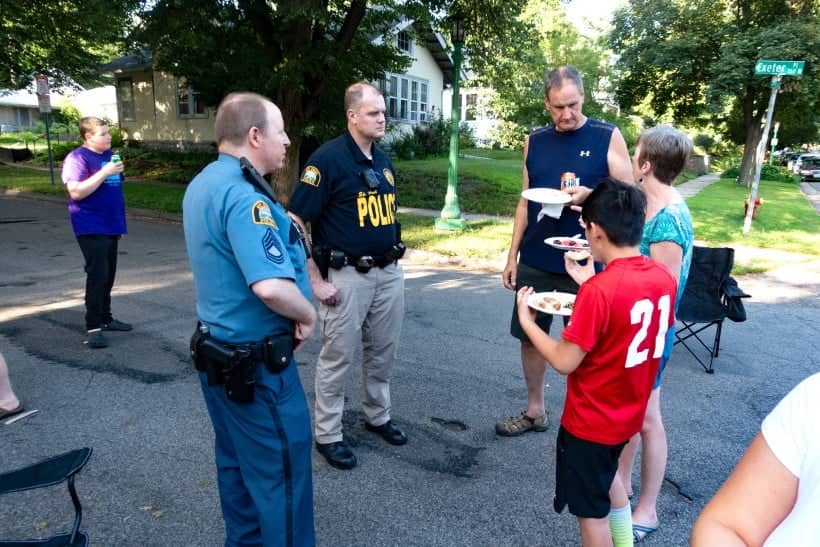
Your badge opens doors. Your humanity builds bridges.
Start with the program or event that resonates most with you. For me, it was always Coffee with a Cop—just sitting down and having a conversation. The key is showing up authentically, returning consistently, and genuinely listening to the community you serve. You’ll be amazed at what happens when you do.
Additional Resources
Major Community Engagement Programs
- Coffee With a Cop: Find or organize casual coffee meetup events in your area with residents
- National Night Out: Held the first Tuesday in August, this nationwide campaign promotes police-community partnerships through neighborhood block parties and gatherings
- Walk With a Cop: Neighborhood walking programs that bring officers and residents together in casual, non-enforcement contexts
- Police Athletic Leagues (PALs): Sports-based youth programs connecting officers with young people through athletic competition and team building
- Citizens Police Academy: Multi-week educational programs where residents learn about police operations and build understanding
- Neighborhood Watch: Community-led programs teaching residents to unite for safer neighborhoods while partnering with local police
Youth and Family Programs
- Police Read Along: Officers visit schools to read with children, making law enforcement approachable to young people
- Cops vs Kids: Sports and recreational programs creating positive officer-youth interactions
- Special Olympics Torch Run: Officers participate in fundraising runs supporting Special Olympics
- School Resource Officer (SRO) Programs: Building relationships while working within educational settings
- Police Explorer Scouts: Youth programs introducing young people to law enforcement careers
Additional Events and Initiatives
- Cops and Freezer Pops: Informal summer neighborhood outreach during hot months
- Cops for Christmas: Holiday programs providing gifts and assistance to families in need
- Behind the Badge/Cop for a Day: Shadowing and mentorship opportunities for community members
- Community Emergency Response Team (CERT): Training residents for disaster preparedness and response
- Police Chief’s Advisory Panel: Formal community feedback and advisory structure
Professional Resources
- Community Policing Consortium: Professional resources and research for officers focused on community engagement
- Galls Professional Resources: Equipment, uniforms, and training materials for community-focused law enforcement professionals
- Crosden Consulting: Expert consulting, training, and legal support for law enforcement and public safety organizations
- Local Police Departments: Check your city or county police department website for specific community events and engagement opportunities in your area
Related Posts



Disclaimer: The information in this blog post is for general informational purposes only and should not be taken as legal, regulatory, safety, or professional advice. Galls, LLC and its affiliates (collectively, the “Company”) distribute public safety and law enforcement products but do not manufacture the items discussed. All product details are based on manufacturer-provided information and have not been independently verified by Galls. We make no warranties regarding the accuracy or completeness of such information. Readers should consult the respective manufacturer or regulatory authority for the latest details.
For more detailed information, visit our Disclaimer Page.
 Item Added to Cart!
